




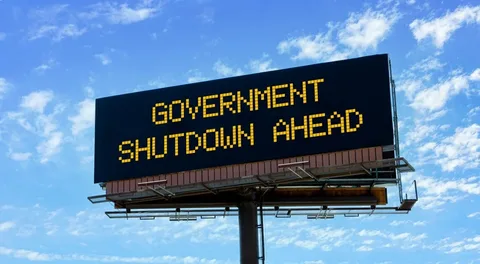
Every time the news mentions a possible government shutdown, millions of retirees and beneficiaries start asking the same urgent question: will a government shutdown affect Social Security?
It’s an understandable concern — Social Security payments provide essential income for more than 70 million Americans, including retirees, disabled workers, and survivors. In times of political gridlock, people naturally worry about whether their benefits will continue to arrive on time.
The short answer is reassuring: your Social Security benefits will continue even during a government shutdown. But understanding how and why that happens can help you plan better and stay informed if Washington once again reaches a budget impasse.
Why Social Security Payments Continue During a Government Shutdown
When lawmakers fail to pass a budget or temporary funding bill, the government enters a “shutdown.” During this period, non-essential federal agencies temporarily close or operate with reduced staffing.
However, programs like Social Security, Medicare, and Medicaid are considered mandatory spending, meaning their funding does not depend on annual budget approvals.
The Social Security Administration (SSA) continues operations because its benefits are funded through a dedicated trust — the Old-Age and Survivors Insurance (OASI) and Disability Insurance (DI) Trust Funds. These are financed mainly by payroll taxes, not congressional appropriations.
So, even if Congress cannot agree on a new spending plan, the SSA retains the authority to issue payments as usual. Therefore, your benefits will not stop during a government shutdown.
Will Government Shutdown Affect Social Security Payments or Processing Times?
While the payments themselves continue, some Social Security services may slow down. That’s because many federal workers who support administrative processes could be furloughed.
During a shutdown, essential employees remain on duty to keep payments flowing, but others may be temporarily sent home. As a result:
- New applications for benefits could experience delays.
- Replacements for lost Social Security cards may take longer to process.
- Verification services or appeals hearings might be postponed.
These administrative slowdowns don’t stop existing payments, but they can affect individuals applying for new benefits or resolving pending issues.
For those asking will government shutdown affect Social Security payments, the answer remains no — the checks go out on schedule. However, certain customer service functions could experience temporary disruptions.
Is Social Security Affected by Government Shutdown at All?
The question is Social Security affected by government shutdown often leads to confusion because people equate “shutdown” with a complete halt in services. In reality, the SSA continues to operate, just on a limited basis.
Here’s how the agency typically prioritizes tasks during a shutdown:
- Continues: Payments to beneficiaries, direct deposit processing, and critical IT systems.
- Paused or limited: Benefit verification letters, card replacements, and in-person services for non-emergency issues.
The SSA also provides essential updates through its official website and automated phone system, so beneficiaries can still get basic information even if local offices are short-staffed.
How a Shutdown Impacts New Applicants and the Workforce
A government shutdown can cause more complications for people newly applying for benefits or awaiting decisions. With reduced staffing, new claims might take longer to process, especially disability applications that require documentation review and medical verification.
If you’re planning to apply for retirement or disability benefits, it’s best to do so before a potential shutdown or expect a slower turnaround time. Online applications remain available during a shutdown, but response times from SSA representatives could be delayed.
Likewise, federal employees and contractors affected by the shutdown may face temporary income loss — but their Social Security contributions remain unaffected. Once government operations resume, payroll tax collections continue as usual.
The Difference Between Mandatory and Discretionary Spending
To understand why Social Security keeps operating, it helps to know how the federal budget works. Government spending falls into two categories:
-
Mandatory Spending:
Covers programs like Social Security, Medicare, and interest on national debt. These are automatic expenditures that don’t require annual approval from Congress.
-
Discretionary Spending:
Funds government agencies and departments such as education, defense, and national parks. This spending must be renewed through appropriations bills each fiscal year.
A government shutdown only affects discretionary spending, which means Social Security and Medicare benefits remain funded and operational.
What You Can Expect During a Government Shutdown
Even though Social Security benefits continue, it’s important to stay informed and prepared. Here’s what typically happens during a prolonged shutdown:
- Direct deposits and mailed checks arrive as usual.
- SSA offices may operate with reduced staff.
- Customer service lines could have longer wait times.
- Non-essential updates and verifications may be paused.
For beneficiaries who rely on direct deposit, payments continue seamlessly. Those who still receive paper checks should also receive them on schedule, though mail delivery delays could occur depending on external factors unrelated to SSA operations.
What If the Shutdown Lasts a Long Time?
Even in extended shutdowns, Social Security has continued to issue benefits. The SSA has a contingency plan ensuring payments go out regardless of the length of the funding lapse.
The only risk would arise if the Treasury Department ever reached its debt ceiling — a separate issue from a shutdown. If the government ran out of borrowing authority, all federal payments, including Social Security, could be delayed. However, this is a distinct scenario that typically involves different legislative negotiations.
For now, retirees and beneficiaries can rest assured that a shutdown alone does not stop benefits from being paid.
Tips for Beneficiaries During a Government Shutdown
If a shutdown occurs, you can take a few steps to minimize stress and ensure you stay informed:
- Use online SSA tools: The Social Security website (SSA.gov) offers access to account updates, benefit estimates, and direct deposit management even during limited staffing.
- Sign up for direct deposit: If you still receive paper checks, switching to direct deposit ensures faster, more secure payments.
- Monitor official announcements: Avoid misinformation by checking updates from the SSA, the Treasury Department, or trusted financial institutions.
- Plan ahead: If you have an upcoming claim, file early to avoid processing delays.
These proactive measures help ensure uninterrupted access to your benefits even when government operations slow down.
Final Thoughts
So, will a government shutdown affect Social Security? The answer is clear: your payments will continue. The Social Security Administration operates largely outside the annual appropriations process, meaning benefits are safeguarded even during political stalemates.
While administrative services may temporarily slow, the core functions that issue and deliver payments remain fully operational. That means retirees, survivors, and disability recipients can count on their income arriving as expected.
If you’ve been wondering will government shutdown affect Social Security payments or is Social Security affected by government shutdown, take comfort knowing that your benefits are secure — even when the rest of Washington hits pause.
