




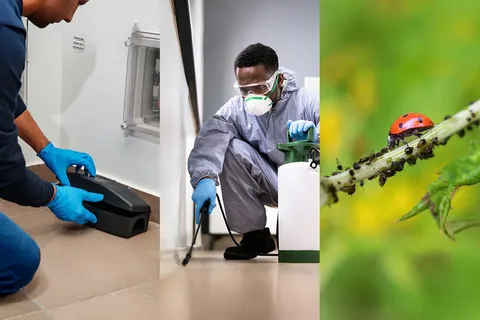
Pest infestations are no longer managed with one-size-fits-all solutions. As environments, regulations, and pest behaviors evolve, the pest control industry has shifted toward more precise and targeted methods.Specialized treatments for pestsfocus on identifying the exact problem and applying solutions designed specifically for that pest species, location, and level of infestation.
Understanding the Need for Targeted Pest Control
Traditional pest control methods often rely on broad-spectrum chemicals that may eliminate pests but can also harm beneficial insects, pets, or the surrounding ecosystem. In contrast, modern pest management emphasizes accuracy and safety. By studying pest biology and behavior, professionals can apply treatments that are both effective and environmentally responsible.
This approach is particularly important in sensitive environments such as homes with children, food-processing facilities, hospitals, and agricultural settings.
What Are Specialized Pest Treatments?
Specialized pest treatments are customized strategies developed after a detailed inspection and pest identification process. Instead of treating all pests the same way, these methods address specific species such as termites, bed bugs, rodents, cockroaches, or mosquitoes.
Specialized treatments for pests may include targeted baiting systems, heat treatments, biological controls, or precision-applied chemical solutions. Each method is chosen based on the pest’s lifecycle, nesting habits, and resistance patterns.
Common Types of Specialized Treatments
Termite-Specific Solutions
Termites require advanced treatment plans such as soil barrier systems, bait stations, or wood treatments. These methods focus on colony elimination rather than surface-level control.
Bed Bug Heat and Chemical Treatments
Bed bugs are notoriously resistant to standard sprays. Specialized heat treatments raise temperatures to levels that eliminate all life stages, while carefully selected chemicals target resistant populations.
Rodent Exclusion and Control
Rodent management often combines trapping, exclusion techniques, and habitat modification. Sealing entry points and eliminating food sources are key elements of long-term success.
Benefits of Specialized Pest Management
One of the main advantages of specialized approaches is improved effectiveness. Targeted treatments reduce the chance of reinfestation and often require fewer repeat applications. Additionally, they help minimize chemical exposure, making them safer for humans, pets, and non-target species.
Another benefit is cost efficiency over time. While customized treatments may appear more expensive initially, they often provide longer-lasting results, reducing the need for frequent interventions.
The Role of Professional Expertise
Implementing specialized treatments for pests requires professional knowledge, proper equipment, and ongoing monitoring. Licensed pest control experts are trained to assess risks, select appropriate treatments, and ensure compliance with safety regulations.
DIY methods may offer short-term relief, but they rarely address the root cause of infestations. Professional services provide comprehensive solutions tailored to specific pest challenges.
Conclusion
As pest pressures continue to increase due to urbanization and climate change, targeted and intelligent pest control methods are becoming essential. Specialized treatments for pests represent the future of effective pest management by combining science, safety, and precision. Choosing the right approach not only protects your property but also supports a healthier and more sustainable environment.
