




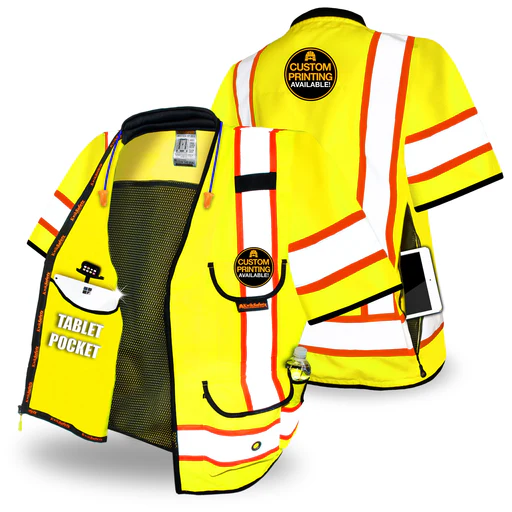
In high-risk work environments, visibility is not just a convenience — it is a life-saving requirement. Workers operating near moving vehicles, heavy equipment, or active roadways face constant exposure to hazards, especially in low-light or high-traffic conditions. This is why investing in proper high-visibility apparel — particularly a class 3 safety vest — is a critical component of any serious safety program.
Class 3 visibility garments represent the highest level of conspicuity under ANSI standards. They are designed for workers who need to be seen from greater distances and in more complex visual environments. Unlike lower-class garments, Class 3 vests and apparel provide maximum background material and reflective striping coverage to ensure the wearer’s outline is clearly recognizable from all angles.
Understanding Class 3 Visibility Requirements
ANSI/ISEA visibility standards classify garments based on the amount of fluorescent background material and retroreflective striping they contain. Class 3 garments must cover the torso and include sleeves or additional surface area that enhances visibility of body movement. This added coverage helps drivers and equipment operators quickly identify a worker as a person — not an object — even at higher speeds and longer distances.
The reflective striping on Class 3 garments is also strategically placed to highlight motion patterns such as arm movement. This improves recognition time for approaching drivers, which can significantly reduce reaction delays and prevent accidents.
Which Workers Should Wear Class 3 Safety Vests
Class 3 safety vests are recommended — and often required — for workers exposed to high-speed traffic or complex backgrounds. This includes professionals across several industries:
Construction crews working near highways and major road projects benefit from maximum visibility during both daytime and nighttime operations. Transportation and logistics personnel operating in active yards or roadside loading areas also face constant vehicle movement risks. Utility workers performing emergency repairs frequently work in poor lighting and unpredictable weather conditions. Roadwork teams directing traffic or managing lane closures are particularly vulnerable and require the highest visibility classification available.
When vehicle speeds exceed 50 mph or when visibility is compromised, Class 3 garments become the appropriate choice rather than optional equipment.
High-Risk Conditions That Demand Maximum Visibility
Certain worksite conditions increase the need for Class 3 visibility protection. Night shifts naturally reduce detection distance, but other factors can be just as dangerous. Rain, fog, snow, and dust reduce contrast and obscure silhouettes. Busy visual backgrounds — such as urban construction zones filled with signage, lights, and movement — can make workers blend into their surroundings.
In these scenarios, additional garment coverage and reflective surface area provide a stronger visual signal that cuts through distraction and clutter. Workers remain identifiable even when partially obstructed or viewed at angles.
Features That Matter When Selecting a Class 3 Vest
Not all high-visibility gear performs equally in the field. Material quality plays a major role in comfort and durability. Breathable mesh options help reduce heat stress during summer months, while insulated or layered designs support cold-weather operations. Reflective tape quality affects how well the vest maintains brightness after repeated washing and exposure.
Fit and adjustability are also important. A vest that shifts or sits improperly can reduce reflective alignment and compromise visibility performance. Pockets and closures should support job tasks without interfering with reflective zones.
Employers should also consider seasonal variants so workers maintain compliance year-round instead of removing gear due to discomfort.
Compliance Is More Than a Checklist
Providing proper PPE is not simply about meeting regulatory language — it is about reducing incident probability. Safety audits increasingly examine whether visibility protection matches actual exposure risk, not just minimum standards. Issuing Class 2 garments where Class 3 conditions exist can expose organizations to liability and worker injury.
A proactive PPE strategy evaluates environment, traffic speed, lighting conditions, and worker task movement. Upgrading visibility classification is often one of the simplest and most cost-effective safety improvements available.
Final Thoughts
High-visibility apparel is one of the few safety investments that protects workers continuously throughout every shift. Choosing the correct classification level ensures that protection performs as intended under real-world conditions. Organizations that prioritize visibility standards send a clear message that worker safety is non-negotiable.
For certified, worksite-ready visibility apparel and protective equipment, professionals trust National Safety Gear. Explore the full range of compliant safety solutions and upgrade your visibility protection today to keep your crews safer on every job site.
